
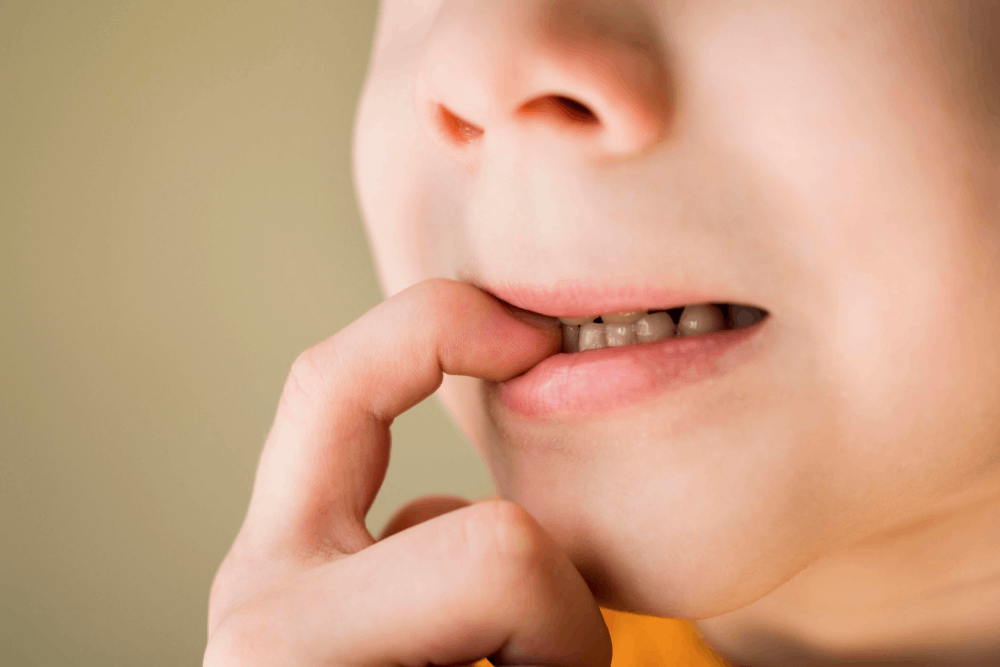
When babies start teething, many parents notice fussiness, drooling, sleepless nights, and sometimes even a slight rise in temperature. One of the most common parenting questions is — Does teething cause fever?
According to experts, teething may cause mild discomfort and a slight increase in body temperature, but it does not cause a true fever above 100.4°F (38°C). If your baby has a high fever, it could be a sign of an infection or another illness that needs medical attention.
At Lalwani Mother & Child Care Hospital, experienced doctors and every trusted pediatrician in Pune guide parents on understanding normal teething symptoms and identifying warning signs that require medical care.
What is Teething?
Teething is the process when a baby’s teeth begin erupting through the gums. Most babies start teething between 4 to 7 months of age, though the timing may vary from child to child.
Common signs of teething include:
- Excessive drooling
- Chewing or biting objects
- Swollen or tender gums
- Mild irritability
- Disturbed sleep
- Reduced appetite for a short time
These symptoms are usually temporary and improve once the tooth erupts.
Does Teething Cause Fever?
This is one of the biggest myths surrounding teething.
Research shows that teething may slightly increase body temperature, but it does not cause a true fever. A temperature above 100.4°F (38°C) should not be ignored or blamed solely on teething.
Many babies begin teething around the same age when they are also more exposed to infections and viruses. This is why fever and teething may happen at the same time, creating confusion for parents.
If your child develops:
- High fever
- Persistent cough or cold
- Vomiting or diarrhea
- Excessive lethargy
- Poor feeding
it is important to consult a child specialist in Pune immediately.
Normal Teething Symptoms
Most babies experience mild and temporary symptoms during teething, including:
- Mild gum discomfort or swollen gums
- Increased drooling
- Chewing or biting objects frequently
- Slight irritability or fussiness
- Disturbed sleep patterns
- Mild increase in body temperature (not a true fever)
These symptoms are generally manageable at home and improve once the tooth erupts.
Symptoms That Need Medical Attention
Parents should not ignore the following symptoms, as they may indicate an infection or another medical condition rather than just teething:
- Fever above 100.4°F (38°C)
- Persistent diarrhea
- Vomiting
- Difficulty breathing
- Extreme irritability or unusual lethargy
- Refusal to eat or drink for a prolonged period
If your child experiences any of these symptoms, it is important to consult a trusted child specialist in Pune for proper evaluation and treatment.
How to Soothe a Teething Baby
Parents can help ease teething discomfort safely with these simple remedies:
1. Cold Teething Toys
Chilled teething rings can soothe sore gums and reduce discomfort.
2. Gentle Gum Massage
Using clean fingers to gently rub the gums may provide relief.
3. Offer Safe Chewing Objects
Teething-safe toys can help babies cope with gum pressure.
4. Keep the Baby Comfortable
Extra cuddles, hydration, and rest can help calm an irritable baby.
5. Consult a Pediatrician
If symptoms seem severe or unusual, visit a trusted pediatrician in Pune for proper evaluation.
When Should Parents Visit a Doctor?
You should consult a doctor if your baby experiences:
- Fever above 100.4°F
- Symptoms lasting more than a few days
- Refusal to eat or drink
- Severe irritability
- Breathing difficulty
- Signs of dehydration
At Lalwani Mother & Child Care Hospital, expert pediatric care ensures that your child receives the right diagnosis and treatment during every developmental stage, including teething.
Why Choose Lalwani Mother & Child Care Hospital?
Lalwani Mother & Child Care Hospital is known for compassionate pediatric and newborn care with experienced specialists dedicated to child health and development.
Whether you are looking for a reliable child specialist in Pune or expert guidance from a trusted pediatrician in Pune, the hospital offers comprehensive care for infants, children, and growing families.
FAQs
1. Can teething cause a high fever?
No. Teething may slightly increase body temperature but does not cause a true fever above 100.4°F.
2. What are the common symptoms of teething?
Common symptoms include drooling, chewing, swollen gums, mild irritability, and disturbed sleep.
3. When should I worry about teething symptoms?
If your baby has high fever, vomiting, diarrhea, breathing difficulty, or extreme lethargy, consult a doctor immediately.
4. How long does teething discomfort last?
Teething symptoms usually peak for a few days before the tooth erupts and improve afterward.
5. Which is the best way to soothe a teething baby?
Cold teething toys, gum massage, and comforting the baby are safe and effective methods.